
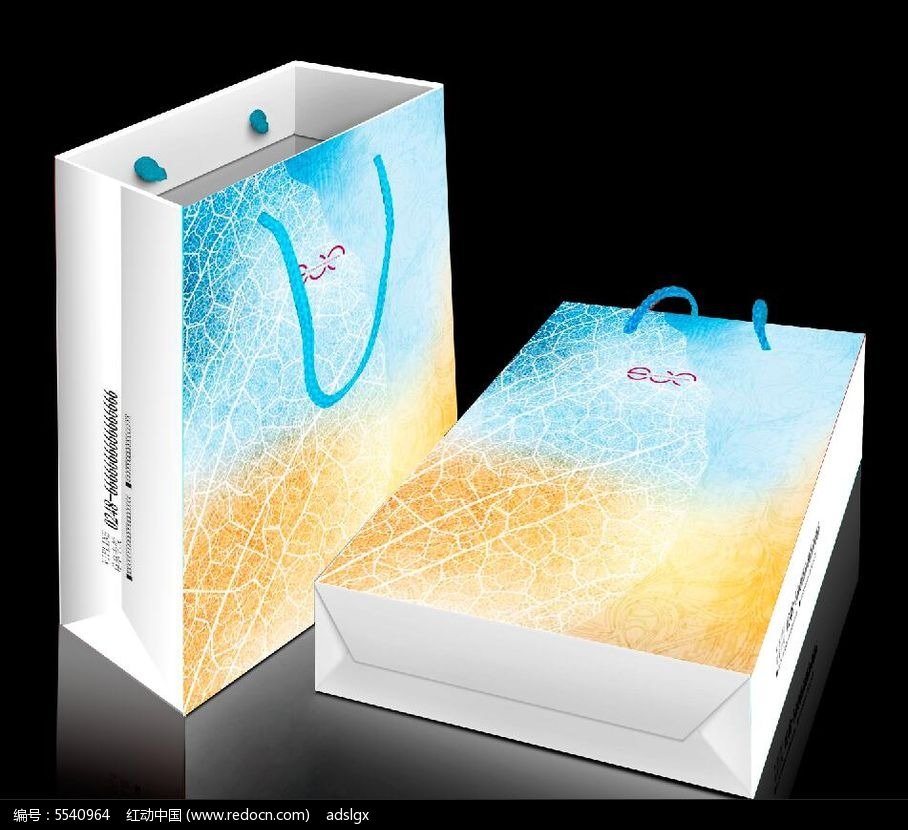
The Enduring Appeal of Paper Handbags: Advantages and Manufacturing Essentials
In an era increasingly defined by digital interaction and environmental consciousness, the physical touchpoint of a brand experience has never been more critical. Among the most ubiquitous and powerful of these touchpoints is the paper handbag. Far from being a simple vessel for carrying purchases, a well-designed and robust paper handbag is a mobile billboard, a statement of brand values, and a testament to practical utility. Its continued prevalence in retail, from luxury boutiques to local farmers’ markets, is a testament to its unique combination of advantages, which are only realized through meticulous manufacturing processes.
The Multifaceted Advantages of Paper Handbags
The choice to use paper handbags is a strategic one, driven by a compelling array of benefits that span ecology, marketing, and user experience.
1. Environmental Sustainability and Positive Perception:
This is arguably the most significant advantage in the modern market. Paper handbags are inherently biodegradable and recyclable, aligning with the growing global demand for sustainable packaging. Sourced from renewable materials—particularly when certified by organizations like the Forest Stewardship Council (FSC) or the Programme for the Endorsement of Forest Certification (PEFC)—they offer a clear, eco-friendly narrative. For brands, this is not just an operational choice but a powerful marketing tool. Providing a product in a beautifully crafted paper bag signals a commitment to environmental responsibility, enhancing brand image and resonating strongly with a conscious consumer base.
2. A Powerful and Mobile Marketing Tool:
A paper handbag is advertising that the customer pays for and then proudly carries. As it traverses city streets, offices, and public transport, it generates thousands of impressions. The large, printable surface area of a bag allows for high-impact graphics, logos, and brand messaging. This transforms a simple utility item into a potent brand ambassador, building top-of-mind awareness and conveying a sense of quality and prestige. The very act of carrying a bag from a desirable brand becomes a non-verbal social endorsement, extending the brand’s reach far beyond the point of sale.
3. Unmatched Customization and Branding Potential:
Paper, as a substrate, offers unparalleled flexibility for customization. It can be easily cut into various shapes and sizes to fit specific products. The printing possibilities are virtually limitless, accommodating techniques from simple, cost-effective flexography to high-end offset and digital printing for photorealistic images. Furthermore, brands can enhance the tactile and visual experience through a variety of finishing techniques. Embossing or debossing can add a luxurious, textured feel to a logo, while spot UV varnish can create glossy, attention-grabbing accents. This ability to be tailored so precisely makes the paper handbag a direct extension of a brand’s identity.
4. Functional Utility and User Experience:
A well-constructed paper handbag is deceptively strong. The use of high-grade paper, particularly kraft paper, and robust construction techniques allows it to carry significant weight. The inclusion of reinforced, die-cut handles or the addition of corded handles makes them comfortable to carry even with heavier loads. Their rectangular or square-bottomed “gusseted” design provides a stable base, preventing tipping and maximizing interior space. This combination of strength and thoughtful design ensures a positive and reliable user experience, reinforcing the perception of the brand as one that cares about quality and customer convenience.
Essential Manufacturing Requirements for a Quality Product
To fully realize these advantages, the manufacturing process must adhere to stringent requirements. Compromising on any of these elements can result in a product that fails functionally and damages the brand it is meant to represent.
1. Material Selection: The Foundation of Strength
The journey of a durable paper handbag begins with the paper itself. The most critical metric is the paper’s grammage or basis weight (measured in grams per square meter – GSM). For a standard shopping bag, paper ranging from 120 GSM to 200 GSM is common, with luxury brands often opting for 250 GSM or higher for a more substantial feel. The type of paper is equally important.
- Kraft Paper: Known for its high tensile strength and durability, often brown or white. Its long fibers make it exceptionally tough.
- Coated Paper (SBS/CUK): Sulfate Bleached Solid (SBS) or Coated Unbleached Kraft (CUK) provides a smooth, bright white surface that is ideal for high-fidelity, vibrant printing.
- Recycled Paper: Made from post-consumer waste, this option maximizes environmental credentials, though it may have slightly different strength and printing characteristics.
2. Printing and Branding: The Art of Communication
The chosen printing technique must align with the design’s complexity and the order’s volume.
- Offset Lithography: Ideal for large runs, offering exceptional color reproduction and image quality on coated papers.
- Flexography: A versatile and cost-effective method suitable for medium to large runs, often used for simpler designs and on kraft paper.
- Digital Printing: Perfect for short runs and highly customized or variable data printing, offering quick turnaround times without the need for printing plates.
- Screen Printing: Excellent for applying thick, opaque layers of ink for a textured, vibrant effect, though less suitable for detailed photographic work.
3. Construction and Handle Attachment: The Engineering
The structural integrity of the bag is non-negotiable. This involves:
- Precision Die-Cutting: The paper must be accurately cut to the required shape, including handle slots and folding lines.
- Strong Adhesive Bonding: Food-grade, high-tack adhesives are used to glue the side seams and bottom of the bag. The bond must be stronger than the paper itself to prevent failure under load.
- Reinforced Handles: The points of greatest stress are the handle attachments. This area must be reinforced, often with a second layer of paper or a plastic patch, securely glued and stitched. For die-cut handles, the paper must be strong enough to resist tearing. For rope handles, the method of anchoring them inside the bag is critical for safety and durability.
4. Finishing Touches: Elevating the Experience
Finally, post-press finishing adds the final layer of brand refinement. This can include:
- Lamination: Applying a thin plastic film (BOPP) via dry lamination adds scuff resistance, water resistance, and a glossy or matte sheen that enhances color vibrancy.
- Varnishing: Aqueous coatings or UV varnish can be applied overall or in specific spots to protect the print and add a luxurious feel.
- Embossing/Debossing: These techniques create a raised or depressed image, respectively, adding a sophisticated tactile element that cannot be achieved with ink alone.
In conclusion, the humble paper handbag is a masterpiece of practical marketing and sustainable design. Its advantages are clear: it is an eco-conscious, mobile advertiser with immense branding potential. However, these benefits are wholly dependent on a manufacturing process that prioritizes material quality, precise printing, robust construction, and elegant finishing. By investing in these essential requirements, brands can ensure their paper handbags not only carry products but also effectively carry their reputation into the world.